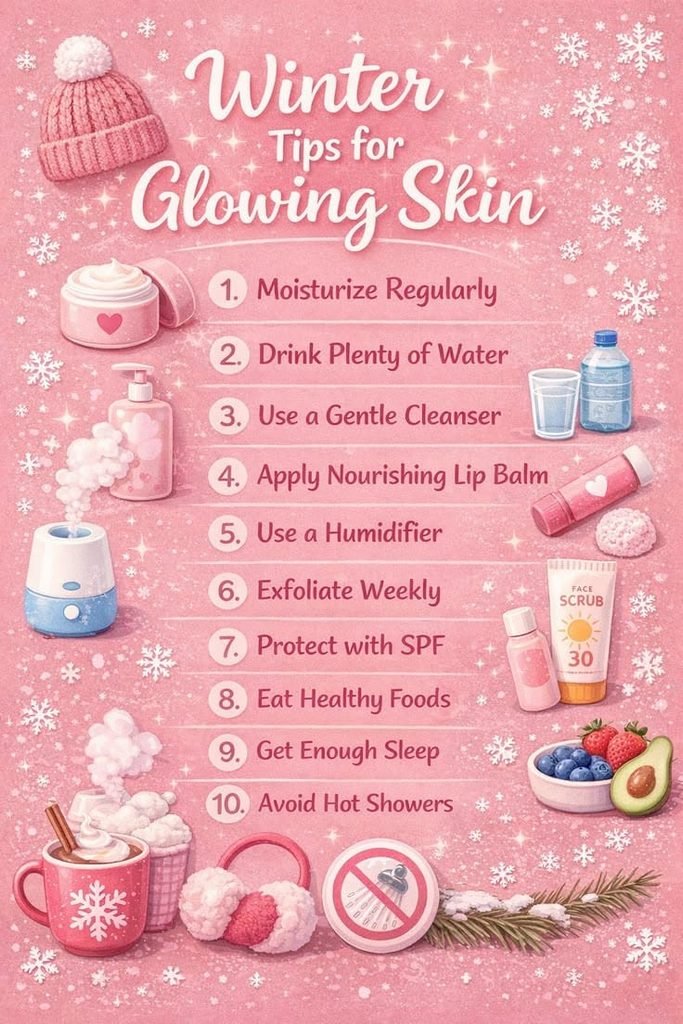
Winter Skincare: 8 Habits That Stop Dry, Dull Skin in 2026
Winter brings cosy sweaters, chilly mornings, and a refreshing change in fashion, but it can also leave your skin feeling tight, rough, flaky, and tired. As temperatures drop and indoor heating becomes more common, the skin may lose moisture more quickly, making it difficult to maintain a soft, healthy-looking glow.
The good news? You do not need an expensive skincare collection to improve your winter complexion. A few thoughtful changes to your daily routine can help protect your skin barrier, maintain hydration, and make your skin look fresher throughout the colder months.
In this guide, discover eight practical winter skincare habits that can help prevent dry, dull skin in 2026, whether you have a busy lifestyle, a minimal beauty routine, or a shelf full of skincare products.

1. Switch to a Gentle Cleanser That Protects Your Skin Barrier
One of the most common winter skincare mistakes is using a cleanser that removes too much of the skin’s natural oil. Although that squeaky-clean feeling may seem refreshing, it can leave your skin uncomfortable, tight, or irritated.
During winter, choose a gentle, fragrance-free cleanser that removes sunscreen, makeup, and everyday impurities without stripping away essential moisture. Cream-based or lotion cleansers may be especially comfortable for dry skin, while gentle gel cleansers can work well for combination or oily skin.
Wash your face with lukewarm water rather than hot water, and avoid scrubbing aggressively with rough towels or exfoliating brushes.
Try this habit: Cleanse gently in the evening and in the morning only when your skin needs it. If your skin feels excessively dry, a simple morning rinse with lukewarm water may be enough.

2. Apply Moisturiser While Your Skin Is Still Damp
If your skin feels dry even after applying moisturiser, the timing or formula may be part of the problem. Moisturisers work best when they help attract water, soften the skin, and reduce moisture loss.
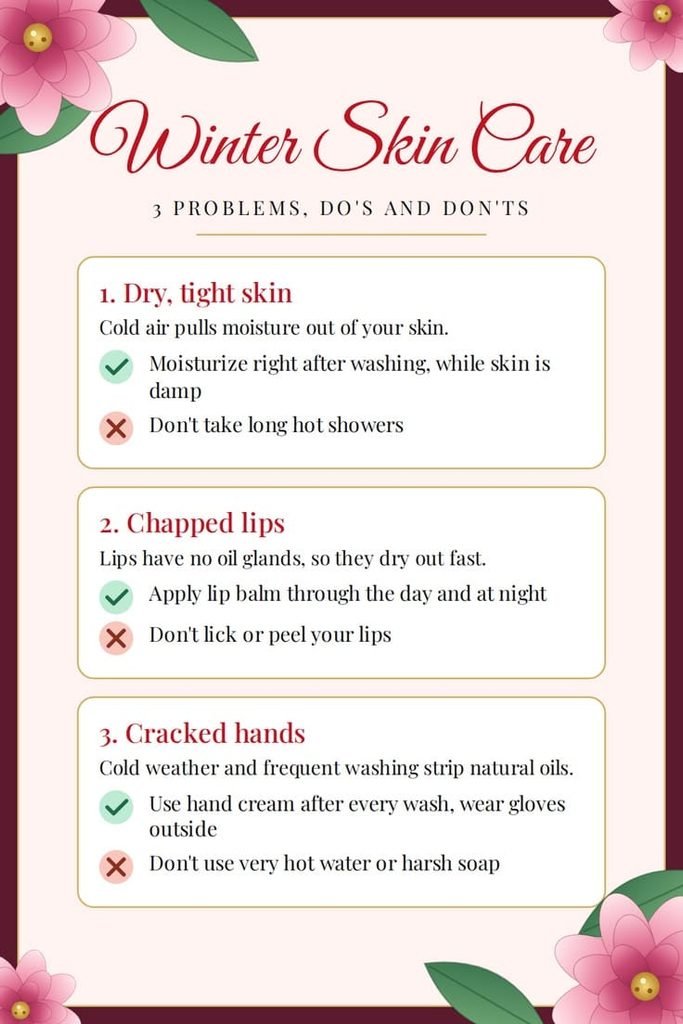
Apply your moisturiser shortly after washing your face, while your skin is still slightly damp. This helps retain hydration and leaves your complexion feeling softer.
Look for ingredients such as glycerin, hyaluronic acid, ceramides, and squalane. Glycerin and hyaluronic acid help attract water, while ceramides support the skin barrier. For particularly dry areas, a richer cream may provide more lasting comfort than a lightweight lotion.
Enhance your natural radiance with these (Everyday makeup tricks for a soft, natural glow).
Remember that expensive products are not automatically better. A simple moisturiser suited to your skin type can be more useful than a complicated routine filled with unnecessary products.
Try this habit: Keep your moisturiser beside your cleanser so you can apply it immediately after washing your face.

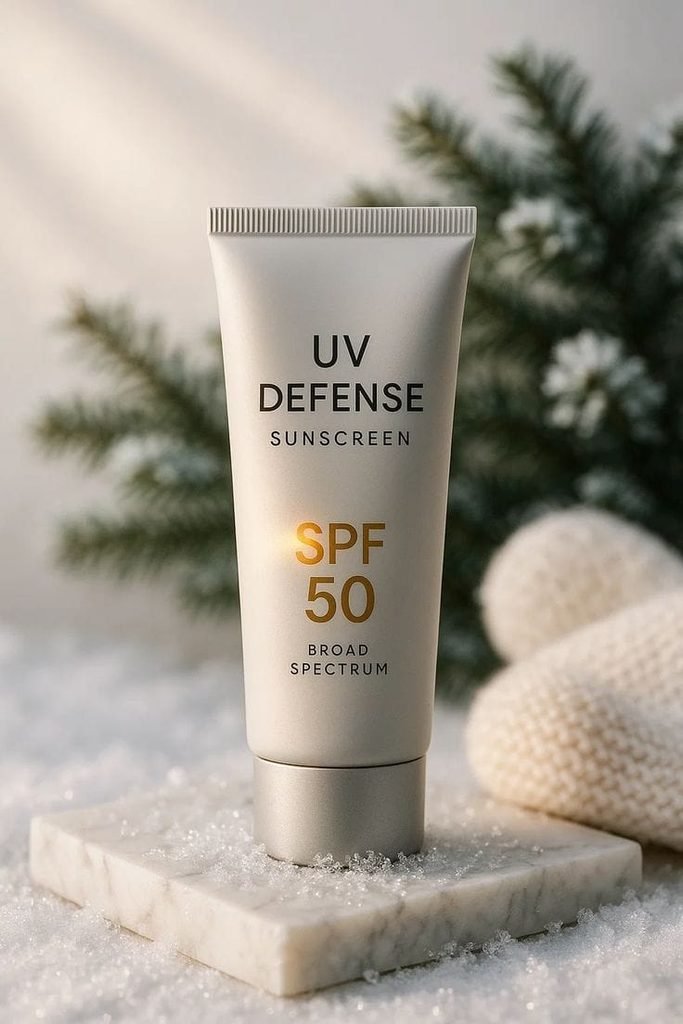
3. Make Sunscreen a Daily Winter Essential
Cloudy skies and cold weather can make sunscreen feel unnecessary, but ultraviolet radiation does not disappear when summer ends. UVA rays can contribute to premature skin ageing, pigmentation, and long-term skin damage throughout the year.
Choose a broad-spectrum sunscreen with SPF 30 or higher and apply it to exposed skin during the day. Pay attention to your face, neck, ears, and hands. If you spend extended periods outdoors, reapply according to the product instructions, particularly after sweating or wiping your face.
For everyday comfort, choose a formula that suits your skin type. Dry skin may prefer a moisturising sunscreen, while oily skin may feel more comfortable with a lightweight, non-comedogenic option.
Sunscreen is not a replacement for moisturiser, but the two products can work together to support a healthier-looking complexion.
Try this habit: Make sunscreen the final step of your morning skincare routine before makeup.
4. Take Short, Lukewarm Showers Instead of Hot Ones
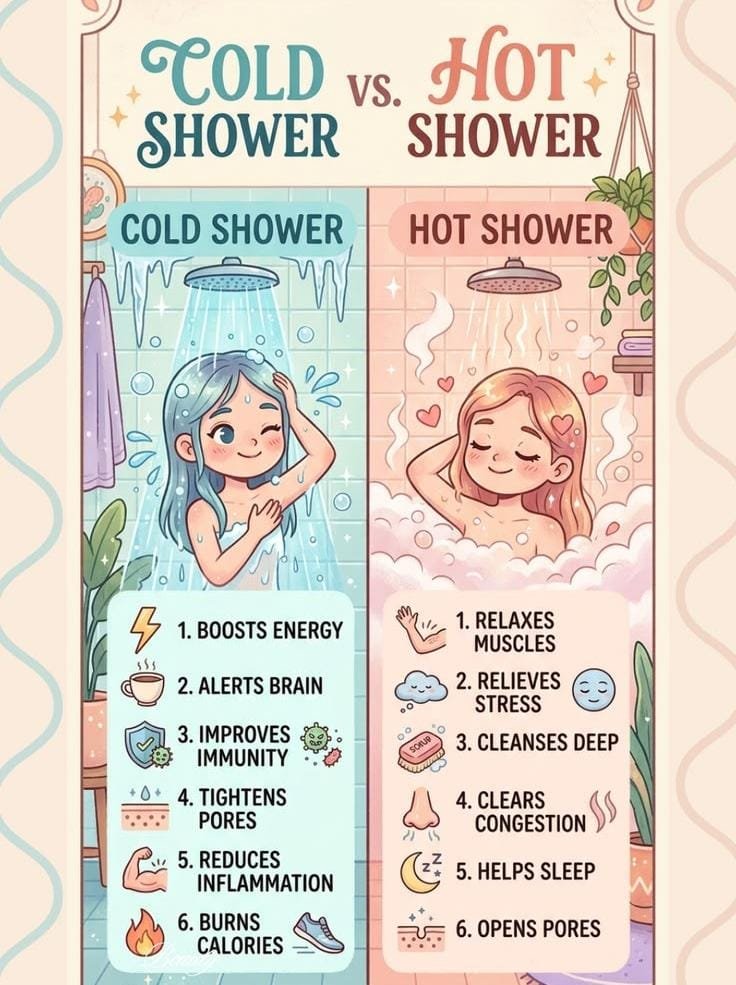
A long, steaming shower can feel irresistible on a freezing morning. Unfortunately, very hot water can remove natural oils from your skin and worsen dryness, especially when combined with strong soaps.
You do not need to give up warm showers altogether. Instead, lower the temperature slightly and keep showers relatively short. Choose mild body cleansers and avoid heavily fragranced products if your skin is sensitive.
After bathing, gently pat your skin dry rather than rubbing it with a towel. Apply a body moisturiser while your skin is still slightly damp to help lock in moisture.
Do not forget areas that often become rough in winter, including elbows, knees, shins, and hands.
Try this habit: Replace long, hot showers with shorter, comfortably warm ones, followed by immediate moisturising.
5. Add Hydrating Products Without Overloading Your Routine
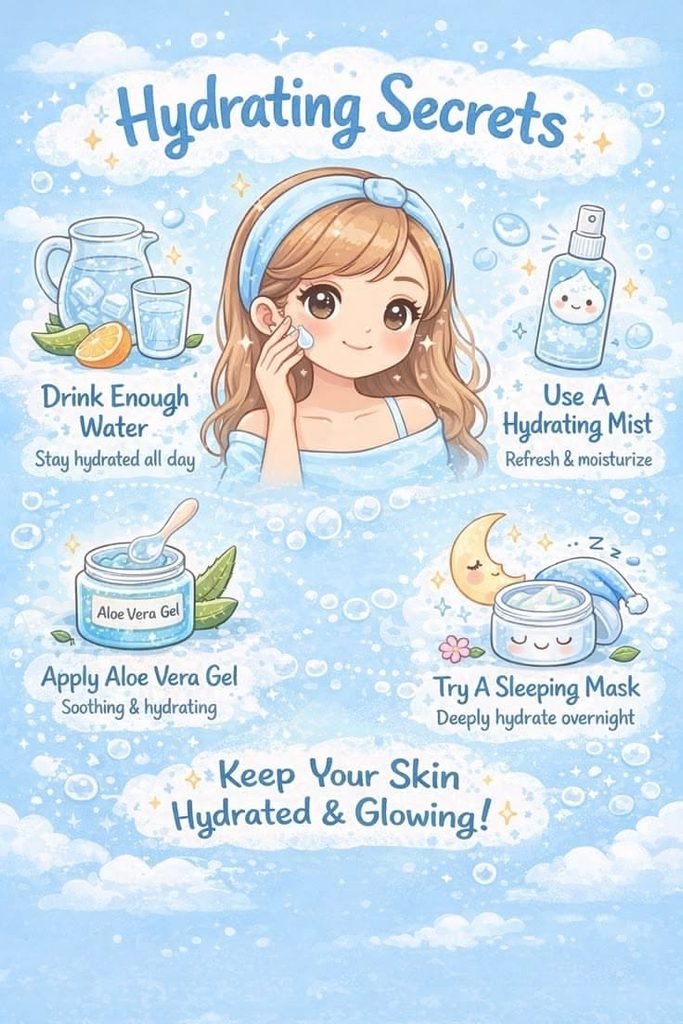
When skin looks dull, adding more products can seem like the quickest solution. However, layering multiple serums, exfoliants, and active ingredients may irritate a weakened skin barrier.
Instead, focus on hydration and simplicity. A hydrating serum containing glycerin or hyaluronic acid can complement your moisturiser if your skin tolerates it. Apply it as directed, then follow with a suitable moisturiser.
If your skin is particularly dry, you may benefit more from a richer moisturiser than from adding another serum. Introduce new products gradually, especially if they contain retinoids, exfoliating acids, or other potentially irritating ingredients.
Build a simple self-care routine with these [Essential Beauty and Skincare Tips].
Healthy-looking skin does not require a ten-step routine. Consistency, comfort, and choosing products that meet your skin’s actual needs are far more important.
Try this habit: Keep your winter routine focused on cleansing, moisturising, and sun protection before experimenting with additional products.
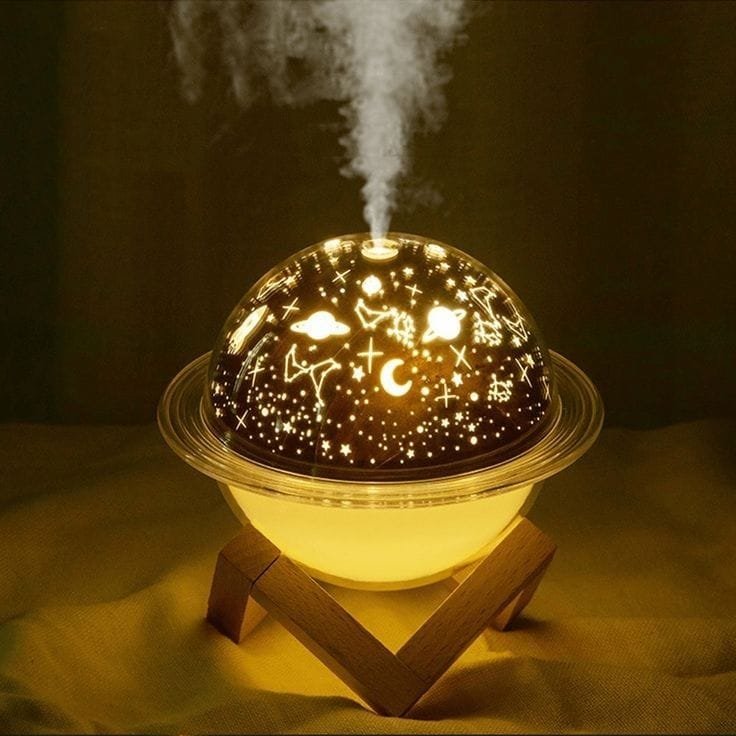
6. Use a Humidifier to Reduce Indoor Dryness
Cold outdoor air and indoor heating can create an environment that feels particularly drying for your skin. Although skincare products are important, your surroundings can also influence how comfortable your skin feels.
A humidifier adds moisture to indoor air and may help reduce the effects of a dry environment. It can be especially useful in bedrooms or heated rooms where you spend several hours each day.
Aim for indoor humidity around 30–50%, avoiding excessive humidity that can encourage mould growth. Clean your humidifier regularly and follow the manufacturer’s maintenance instructions to prevent the buildup of microorganisms.
A humidifier will not replace moisturiser, but it can be a helpful addition when your home feels unusually dry.
Try this habit: Monitor your room’s humidity and use a clean humidifier when indoor air becomes excessively dry.



7. Nourish Your Skin Through Balanced Nutrition and Healthy Habits
Skincare is not limited to the products you apply to your face. Your everyday habits, including eating, sleeping, and drinking enough fluids, also contribute to overall health and skin function.
Include a balanced variety of foods such as vegetables, fruits, whole grains, nuts, seeds, and sources of protein. Healthy fats from foods such as walnuts, chia seeds, and oily fish can contribute essential fatty acids to your diet.
Drink fluids regularly throughout the day, adjusting your intake to your activity level and individual needs. Although drinking extra water does not automatically eliminate dry skin, avoiding dehydration supports general health.
Sleep matters, too. A consistent sleep schedule gives your body time to carry out normal repair and maintenance processes.
Try this habit: Build a realistic daily routine around balanced meals, adequate sleep, and regular hydration rather than relying on beauty supplements or quick fixes.



8. Protect Your Hands and Lips From Winter Damage
Your face is not the only area that needs attention during colder weather. Hands and lips are frequently exposed to wind, cold temperatures, repeated washing, and other sources of moisture loss.
Keep a rich hand cream nearby and apply it after washing your hands. Wearing gloves outdoors and using gentle hand cleansers can also help reduce dryness. If your hands become particularly rough, apply a thicker moisturiser before bed.
For your lips, choose a fragrance-free balm containing protective ingredients such as petrolatum or shea butter. Reapply throughout the day, especially before going outdoors. Avoid repeatedly licking your lips, as saliva can make dryness worse.
If your lips are exposed to sunlight, a lip balm with SPF 30 or higher provides additional protection.
Try this habit: Carry a small hand cream and lip balm in your bag so protection becomes part of your everyday winter routine.
Final Thoughts: Keep Your Winter Glow Simple and Consistent
Beautiful winter skin is not about achieving a flawless complexion or buying every trending beauty product. It is about protecting your skin from harsh conditions, maintaining moisture, and creating habits that are easy to follow every day.
Start with the basics: use a gentle cleanser, moisturise while your skin is damp, apply sunscreen, and avoid excessively hot showers. Support your routine with a comfortable indoor environment, balanced nutrition, and extra care for your hands and lips.
Most importantly, listen to your skin. If a product causes persistent burning, redness, or irritation, stop using it. Severe or ongoing dryness, cracking, or itching may require advice from a qualified healthcare professional or dermatologist.
With the right approach, your winter skincare routine can become less complicated, more comfortable, and easier to maintain. This season, focus on healthy skin habits rather than quick fixes, and let consistency be your most reliable beauty secret.