Introduction: Travel More, Spend Less
Traveling the world does not have to mean spending a fortune. Many people believe that memorable vacations require expensive hotels, luxury restaurants, and costly activities. However, some of the most meaningful travel experiences come from exploring local neighborhoods, tasting traditional food, discovering hidden places, and connecting with different cultures.
Learning how to travel on a budget without feeling like you’re missing out is about making smarter choices rather than sacrificing enjoyment. With a little planning, you can explore beautiful destinations, experience exciting adventures, and create unforgettable memories without putting unnecessary pressure on your finances.
Whether you are planning a weekend getaway, a solo adventure, or an international vacation, the right strategies can help you make the most of every penny.
1. Choose Your Destination Wisely
Your destination plays a major role in determining how much your trip will cost. Popular tourist cities can be expensive, but countless beautiful places offer incredible experiences at a lower price.
Instead of choosing a destination simply because it is trending on social media, research places that match your interests and budget. Consider destinations where accommodation, public transportation, food, and activities are relatively affordable.
You can also explore nearby cities, countryside locations, mountain villages, or lesser-known coastal towns. These places may offer equally beautiful scenery and authentic cultural experiences without the premium prices associated with famous tourist attractions.
Pro tip: Compare the total cost of a trip, including transportation, accommodation, meals, and activities, before making your final decision.
2. Travel During the Off-Season
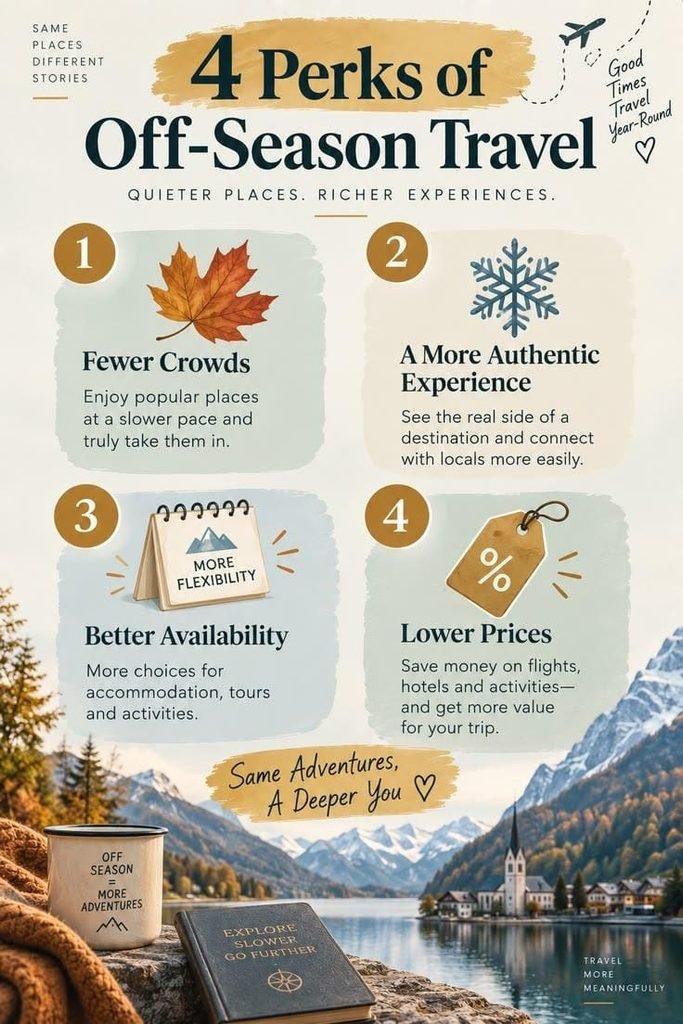
Traveling during peak season often means paying more for flights, hotels, and popular attractions. School holidays, major festivals, and summer vacations can significantly increase travel expenses.
If your schedule is flexible, consider traveling during the shoulder season, the period just before or after peak tourist season. You may find lower prices, shorter queues, and a more relaxed atmosphere.
For example, visiting a beach destination in late spring or exploring a European city in early autumn can provide pleasant experiences without the busiest crowds.
Before booking, check the local weather, seasonal closures, and transportation schedules. Saving money is useful only when the timing still allows you to enjoy the activities you planned.
3. Find Affordable Flights and Transportation
Transportation can consume a large part of your travel budget, particularly when visiting destinations far from home. Fortunately, comparing options and remaining flexible can help you reduce these expenses.
Use flight comparison websites to explore different airlines, travel dates, and departure airports. Set price alerts when available, and compare the total fare rather than focusing only on the advertised ticket price. Baggage fees, seat selection, airport transfers, and other charges can increase the final cost.
Once you arrive, consider public buses, trains, metro systems, or shared transportation instead of relying entirely on taxis. Walking is another excellent option for exploring compact destinations while discovering local cafés, markets, and scenic streets.
Remember that the cheapest option is not always the best. An inconvenient overnight journey or a distant airport may cost you extra time and money.

4. Choose Accommodation That Fits Your Budget
You do not need a luxury hotel to enjoy a comfortable and memorable vacation. Guesthouses, hostels, budget hotels, and reputable vacation rentals can provide excellent value.
Choose accommodation based on your priorities. If you plan to spend most of your time sightseeing, a clean, safe place with convenient transportation access may be more valuable than an expensive room with premium amenities.
Traveling with friends or family can also reduce the cost per person when you share suitable accommodation. Another option is to book a room with kitchen facilities, allowing you to prepare some meals instead of eating out every day.
Always read recent reviews, check the location, understand cancellation policies, and confirm any additional cleaning or service fees before booking.

5. Eat Like a Local Instead of a Tourist
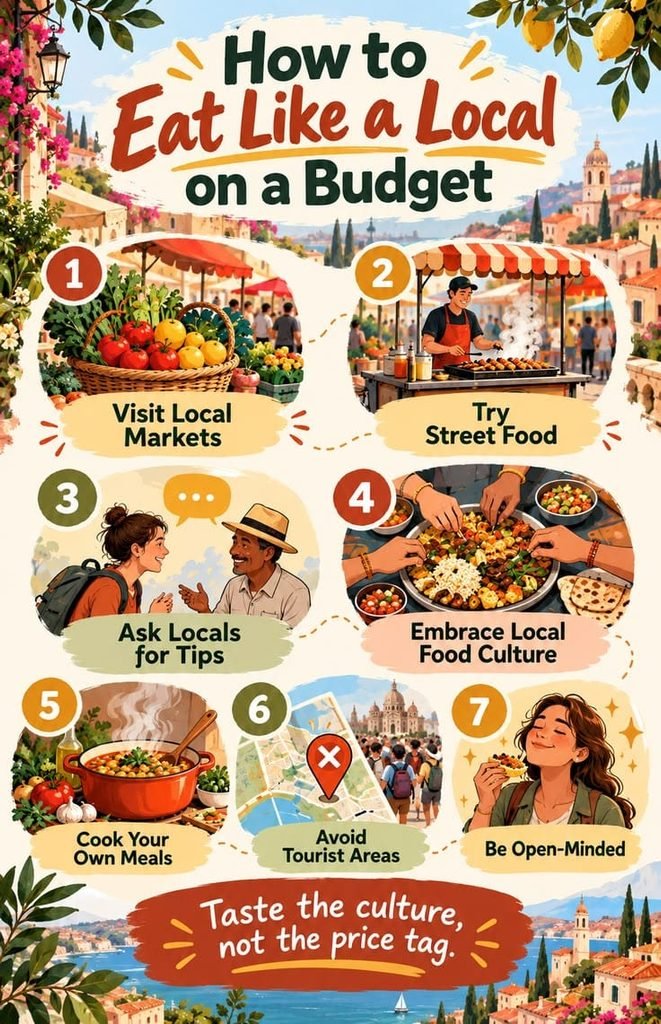
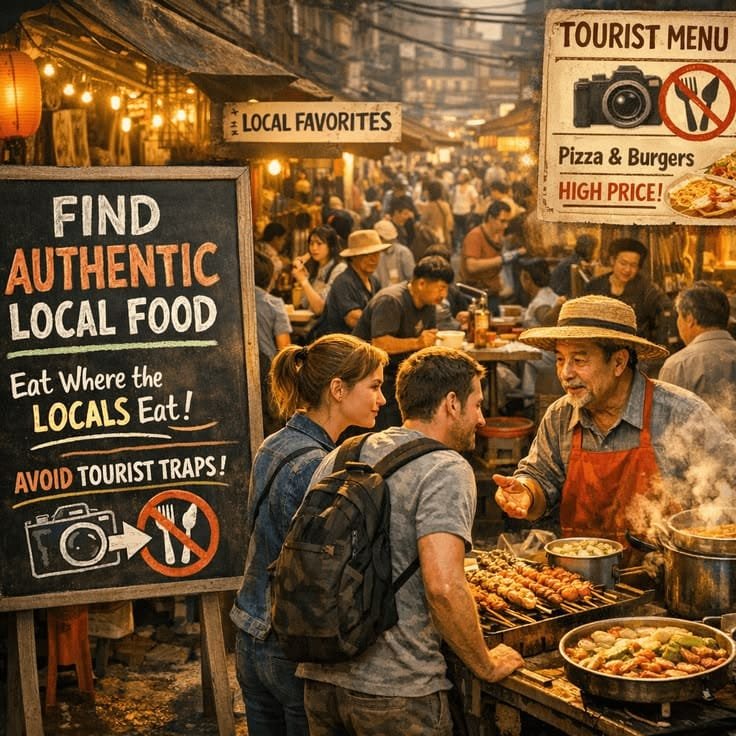
Food is an important part of discovering a new culture, and enjoying great meals does not require dining at expensive restaurants every day. Local markets, family-owned cafés, street-food stalls, and small neighborhood restaurants often offer delicious dishes at more affordable prices.
Ask local residents where they usually eat, and explore areas away from major tourist attractions. You may discover authentic flavors and traditional dishes that are more memorable than expensive restaurant meals.
You can also save money by buying breakfast items, snacks, and drinks from grocery stores. If your accommodation has a kitchen, prepare a few simple meals and reserve your restaurant budget for special dining experiences.
The goal is not to avoid eating out. It is to enjoy local food strategically, giving yourself the freedom to try something special without overspending.
6. Prioritize Experiences Over Expensive Attractions
A memorable vacation does not need to revolve around expensive attractions. Some of the best travel experiences are completely free or cost very little.
Explore public parks, historic neighborhoods, local markets, walking trails, beaches, public gardens, and cultural districts. Many museums offer free-entry days, while some cities provide complimentary walking tours or affordable community events.
Before your trip, create a list of activities you genuinely want to experience. Choose a few paid attractions that matter most to you and balance them with free activities.
For example, you might spend money on a guided historical tour but enjoy the rest of the day walking through beautiful streets, visiting a public park, and watching the sunset.
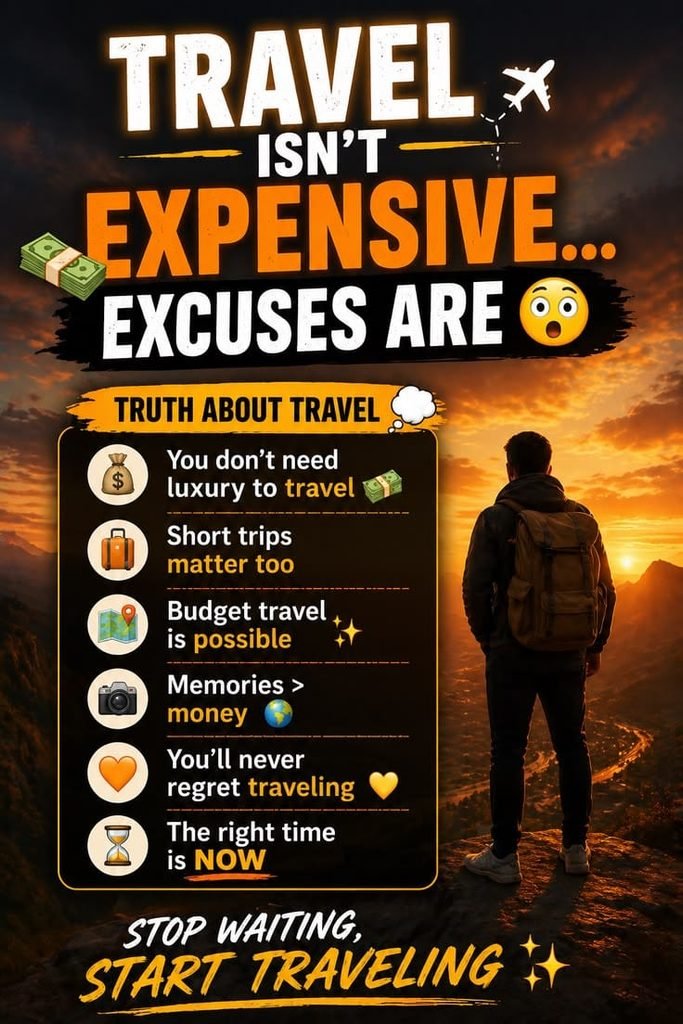
Remember: The value of a travel experience comes from the memories it creates, not simply from the amount you spend.
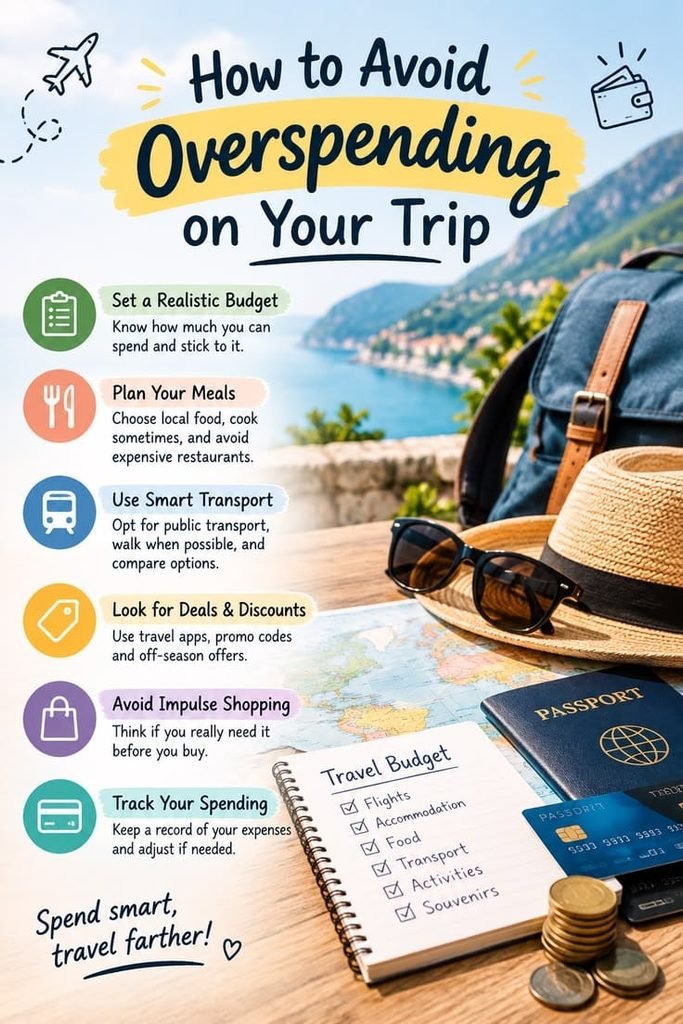
7. Create a Realistic Travel Budget
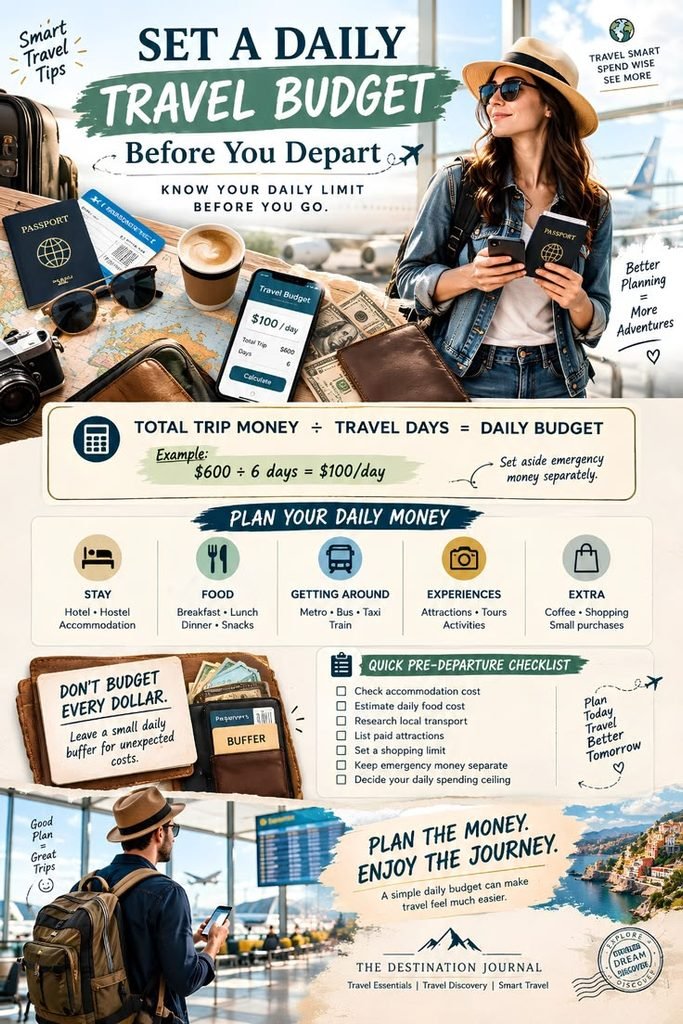
A travel budget helps you understand how much you can comfortably spend without worrying about money throughout your trip. Before booking anything, estimate your expenses for transportation, accommodation, meals, activities, shopping, and emergencies.
Divide your budget into categories and set a reasonable daily spending limit. Keep a small contingency fund for unexpected expenses, such as transportation changes or emergency purchases.
You do not have to track every penny obsessively. A simple notes app or budgeting spreadsheet can help you monitor your spending without taking the enjoyment out of your vacation.
It is also helpful to decide in advance which experiences deserve extra spending. If visiting a particular landmark is important to you, allocate money for it and save elsewhere.
A realistic budget gives you greater freedom because you can enjoy your trip knowing that your essential expenses are covered.
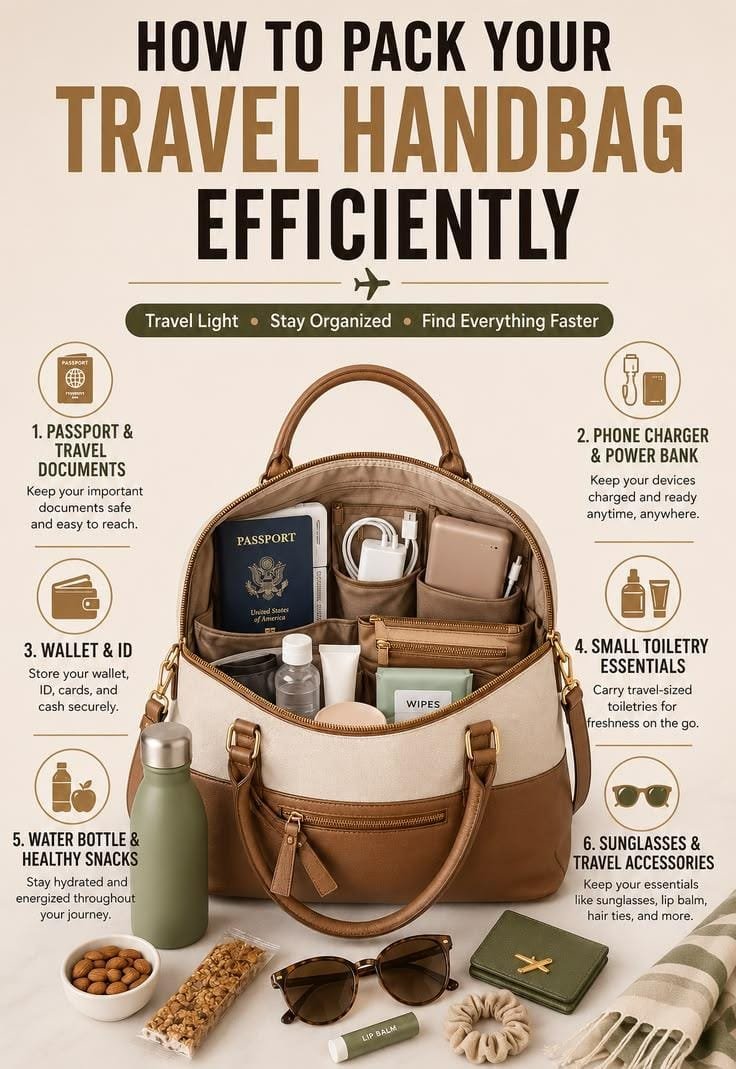
8. Pack Smart and Avoid Unnecessary Expenses
Packing efficiently can save both money and stress. Airline baggage fees, forgotten essentials, and last-minute purchases can quickly increase your travel expenses.
Create a packing checklist before leaving home. Include versatile clothing, comfortable shoes, toiletries, necessary chargers, travel documents, and weather-appropriate essentials.
Choose clothing that can be mixed and matched to create several outfits. This approach reduces the amount of luggage you need while ensuring you have suitable options for different activities.
Bring reusable essentials, such as a water bottle where safe drinking water is available, and carry snacks for long journeys. Check what your accommodation provides before purchasing additional items.
Avoid packing too much, but do not sacrifice important safety or comfort essentials just to save a small amount of money.
9. Spend Strategically on the Things You Love
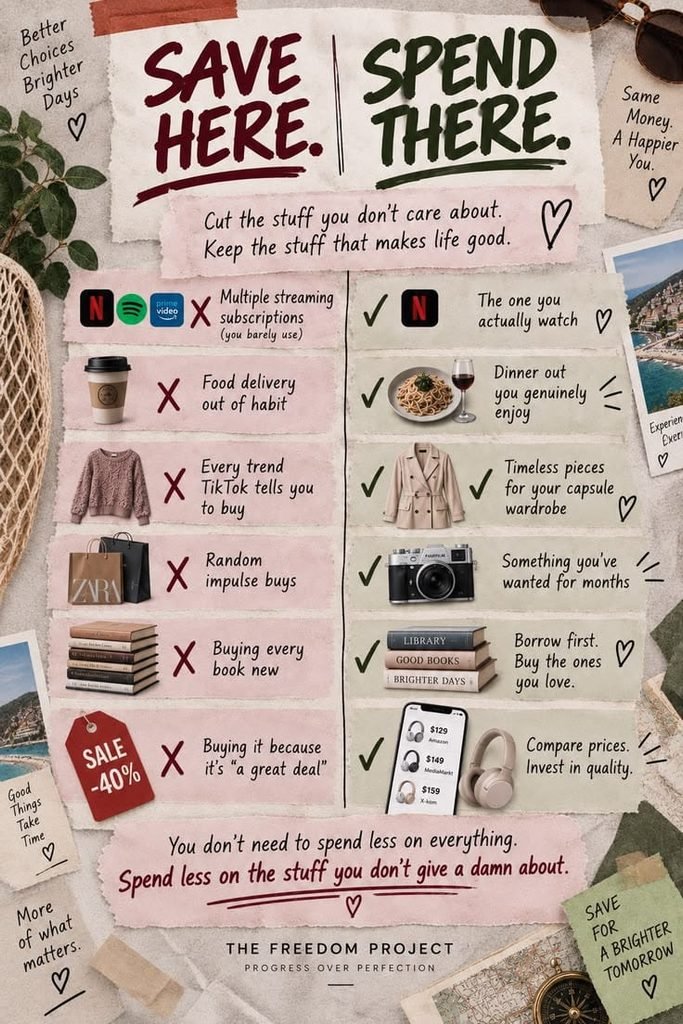
Budget travel becomes more enjoyable when you spend intentionally instead of cutting every expense. Rather than following a strict rule that everything must be cheap, identify the experiences that matter most to you.
If you love food, reserve part of your budget for one memorable local dining experience. If you enjoy adventure, consider spending more on a guided hike or an activity you have always wanted to try. If relaxation is your priority, choose accommodation that makes your stay comfortable.
Balance these special expenses by saving on less important things, such as unnecessary souvenirs, expensive airport meals, or activities that do not interest you.
This approach allows you to personalize your vacation according to your preferences. You can enjoy meaningful experiences without feeling guilty about every purchase.
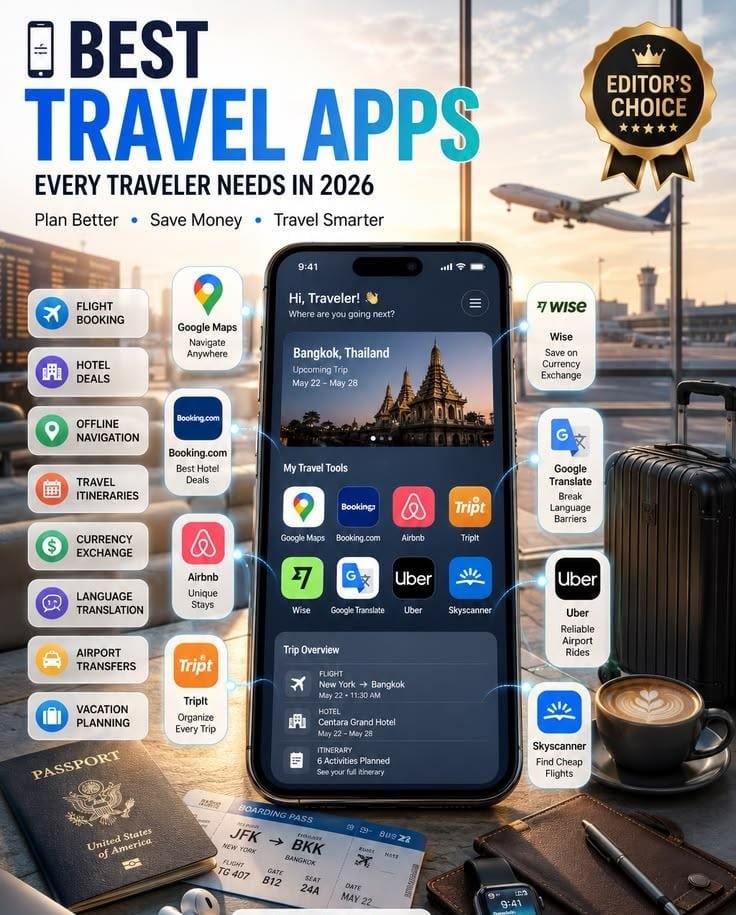
10. Use Technology to Discover Better Deals
Technology makes it easier to compare prices, organize itineraries, and discover affordable experiences. Flight comparison platforms, hotel booking websites, maps, and public transportation apps can help you make informed decisions.
Set price alerts for flights and accommodation, compare multiple booking options, and read recent traveler reviews before making payments. Download offline maps when possible, especially if you expect limited internet access.
Travel forums and social media communities can also provide recommendations for local restaurants, free attractions, and lesser-known destinations. However, verify important information independently, since online recommendations may be outdated or sponsored.
Do not assume every advertised deal offers genuine savings. Check cancellation terms, hidden fees, location, and the total price before confirming a reservation.
11. Avoid Impulse Spending and Travel FOMO
One of the biggest challenges of modern travel is the pressure to experience everything. Social media can make travelers feel that they need expensive outfits, luxury hotels, exclusive restaurants, and picture-perfect activities to have a worthwhile vacation.
In reality, you do not need to recreate someone else’s trip to enjoy your own. Their financial situation, priorities, and travel preferences may be completely different from yours.
Set boundaries for shopping, souvenirs, and spontaneous activities. Before making a purchase, ask yourself whether it adds genuine value to your experience or whether you simply feel pressured to buy it.
Focus on your personal interests rather than comparing your vacation with carefully edited online content. Traveling slowly, spending time in one neighborhood, or enjoying a quiet afternoon can be just as rewarding as visiting every famous attraction.
Your vacation should reflect what makes you happy, not what looks impressive to other people.
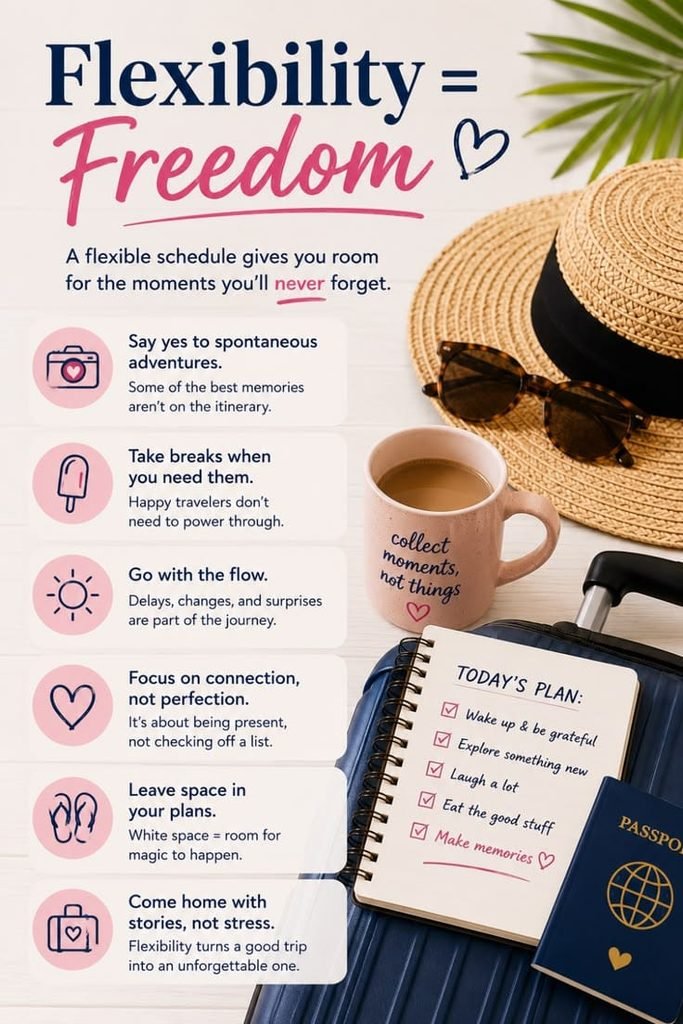
12. Make Flexibility Your Greatest Travel Advantage
Flexibility can create opportunities for better prices and unexpected adventures. When possible, remain open to alternative departure dates, nearby airports, different accommodation types, and destinations that fit your budget.
If a particular attraction is too expensive, look for a similar experience that costs less. If your preferred hotel is unavailable, compare other well-reviewed properties in convenient locations.
Avoid filling every hour of your itinerary. Leaving room for spontaneous discoveries allows you to explore places recommended by locals, enjoy unexpected events, and rest when needed.
At the same time, flexibility should not mean ignoring practical considerations. Keep essential reservations, travel documents, and safety arrangements organized.
The best travel plans combine thoughtful preparation with enough freedom to enjoy opportunities as they arise.
Conclusion: Travel Rich in Experiences, Not Expenses
Traveling on a budget does not mean missing out on the experiences that make a journey special. It means learning to spend wisely, choosing destinations thoughtfully, and prioritizing what matters most to you.
From discovering local food and exploring free attractions to traveling during quieter seasons and using technology to find better deals, small decisions can make a significant difference to your overall expenses.
Most importantly, remember that a meaningful trip is not measured by the price of your hotel, the number of attractions you visit, or the amount of money you spend. It is measured by the places you discover, the people you meet, and the memories you bring home.
Plan within your means, stay open to new experiences, and give yourself permission to enjoy the journey. With the right approach, you can travel more, worry less, and create incredible memories without feeling like you are missing out.